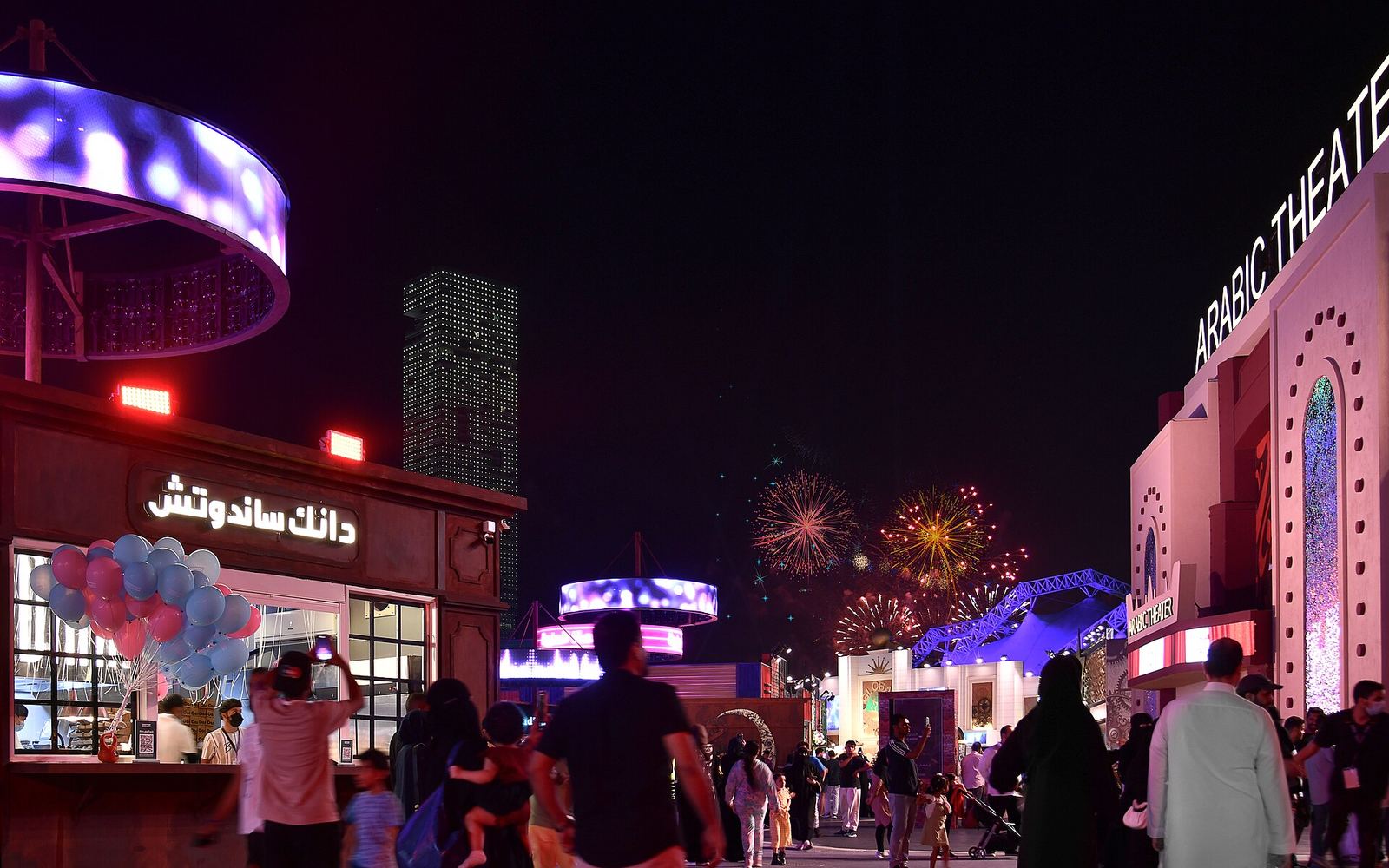
Eating out is one of the great pleasures of a trip to Saudi Arabia. Families gather late into the evening over shared platters of rice and lamb, coffee is poured as a gesture of welcome, and the big cities now have a serious, internationally recognised dining scene: the first MICHELIN Guide Saudi Arabia, covering Riyadh, Jeddah and AlUla, was published for 2026. Below are well-established places to eat, grouped by city, from humble local institutions to special-occasion restaurants. Opening hours change, especially in Ramadan, so check before you go and book ahead for popular dinner spots.
Riyadh
Najd Village
Reconstructed Najdi village setting with floor seating and generous traditional spreads; a MICHELIN Bib Gourmand and a classic first meal in the capital.
Takya
Contemporary dishes built on recipes researched across the Kingdom's regions, at Bujairi Terrace overlooking At-Turaif.
Maiz
Dishes from across Saudi Arabia's provinces, such as lamb mantu and mandi, with tasting menus; at Bujairi Terrace.
Tameesa
Bib Gourmand breakfast favourite for foul, mutabbaq and fresh tamees bread from the oven.
Lusin
Warm, stone-walled Armenian restaurant in Centria Mall, listed in the MICHELIN Guide.
Al Romansiah
Popular local chain for kabsa and mandi at everyday prices, with branches across the city.
Jeddah
Al Basali
A Historic Jeddah institution since 1949, serving fried and grilled Red Sea fish with sayadiyah rice near Bab Makkah.
Samia's Dish
Bib Gourmand restaurant cooking traditional Hijazi recipes, best known for its honey-topped meat brik.
Tamees House
Large, cheerful café-restaurant for Hijazi breakfasts and comfort food, selected by the MICHELIN Guide.
Twina
Seafood restaurant with several branches, including on the Corniche: choose your fish and how it is cooked.
Al Nakheel
A Jeddah favourite since 1986 for mezze, grills and Hijazi dishes in a relaxed setting.
Al Baik
The Kingdom's cult fried-chicken chain, founded in Jeddah in 1974. Expect queues at busy times.
AlUla
Maraya Social
Jason Atherton's restaurant on the roof of Maraya, the mirrored concert hall. Reservations required; closed in the summer months.
Tofareya
Bib Gourmand village house at the foot of the fort, serving kabsa flavoured with AlUla oranges and classic desserts.
Joontos
Bib Gourmand restaurant at Dar Tantora, mixing mezze and tapas with produce from the oasis.
Suhail
Traditional Saudi cooking, such as jareesh and kabsa, in the restored Old Town.
Harrat
Banyan Tree AlUla's signature restaurant, recognised by the MICHELIN Guide for its pan-Arabic menu.
Al Khobar and Dammam
Al Sanbok
The Eastern Province's best-known seafood restaurant since 1989, on the Corniche: pick your fish from the counter and choose how it is cooked.
La Gondola
Long-running Italian restaurant from the Al Sanbok group, open since 1994.
Heritage Village
Traditional-style restaurant with majlis seating, popular for mandi, kabsa and Gulf dishes.
Al Baik
The famous Saudi fried-chicken chain has several branches in Al Khobar and Dammam.
Abha
Bab Al Turath
Heritage-style restaurant in Al Muftaha with floor seating, serving southern dishes such as haneeth and mandi.
Al Hosn Al Turathi
Set in a former police station in the old Al Basta district, serving haneeth, areeka and miva bread.
Ali Ramzi Haneeth
Local favourite for haneeth, lamb slow-cooked until meltingly tender and served over rice.
Al Karkand
Popular seafood restaurant near Waterfall Park, known for shrimp and fried fish.
Rules and customs worth knowing
- Alcohol: it is not served in restaurants or hotels. Expect fresh juices, mocktails, Saudi coffee and some excellent speciality coffee shops instead.
- Prayer times: since 2021 shops and restaurants have been allowed to stay open during the five daily prayers, and most restaurants in the big cities now do. Some smaller places still close for 20 to 30 minutes, and Friday midday prayer remains a quieter time.
- Family and singles sections: separate entrances stopped being compulsory in 2019 and most restaurants now have open seating. Some traditional places still have family areas or private rooms, which many local families prefer.
- Ramadan: most restaurants close during daylight and open for iftar at sunset, staying busy until late. See our Ramadan travel tips.
Practical tips
- Paying: cards and contactless payments are accepted almost everywhere, even at small cafés. Prices include 15% VAT.
- Tipping: not expected, but around 10% for good table service is appreciated.
- Booking: reserve popular places on Bujairi Terrace and in AlUla, especially at weekends and in the cooler season.
- What to order: our guide to Saudi food explains kabsa, mandi, jareesh and more. Or taste several dishes with a guide on a food tour.
Frequently asked questions
Do restaurants in Saudi Arabia close at prayer times?
Not by law any more. Since 2021 businesses may stay open during prayers, and most big-city restaurants do. Some small shops and cafés still close briefly, so allow a little extra time around prayer calls.
Can I drink alcohol in Saudi restaurants?
No. Alcohol is not served to visitors in restaurants or hotels. Menus offer fresh juices, mocktails, Saudi coffee and speciality coffee instead.
Are there still family and singles sections?
Separate entrances have not been compulsory since 2019, and most restaurants now have open seating for everyone. Some traditional restaurants keep family areas or private rooms, which you are welcome to use as a couple or group.
Some links on this page are affiliate links. If you book through them we may earn a small commission at no extra cost to you. Learn more.