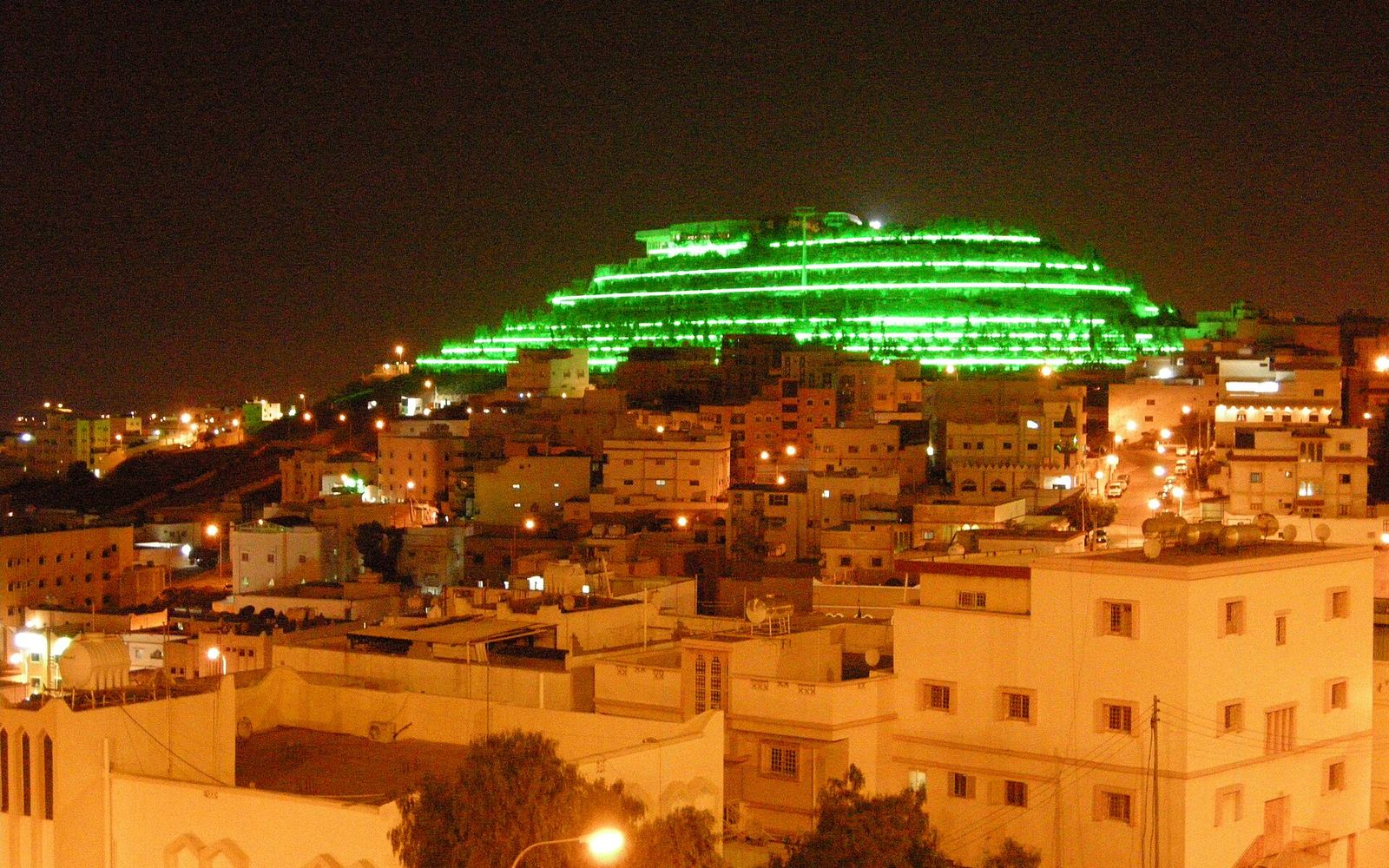
Saudi Arabia is mostly desert, with very hot summers and mild winters. Temperatures vary a lot by region: the central plateau around Riyadh is dry with chilly winter nights, the Red Sea and Gulf coasts are humid, and the mountains of Asir in the south-west, at over 2,000 m, stay far cooler than the rest of the country.
Saudi Arabia month by month
Regional temperatures at a glance
| Place | January (day / night) | July (day / night) | Notes |
|---|---|---|---|
| Riyadh | about 20 °C / 9 °C | about 43 °C / 29 °C | Dry; occasional dust storms in spring |
| Jeddah | about 29 °C / 19 °C | about 38 °C / 28 °C | Humid all year; warm winters |
| AlUla | about 21 °C / 6 °C | about 40 °C / 25 °C | Cold desert nights in winter |
| Abha | about 19 °C / 7 °C | about 30 °C / 17 °C | Summer mist and afternoon storms |
Figures are approximate long-term averages; heatwaves and cold snaps happen.
Cool season (roughly October to April)
This is the main travel season. Days are warm and sunny, and nights in Riyadh, AlUla and the north can drop close to freezing in January, so pack a jumper. December to February is perfect for hiking the Edge of the World, exploring Hegra and camping in the dunes. It is also when the big seasons happen: Riyadh Season, AlUla's festivals, the Dakar Rally and the Saudi Cup. Read our guide to events and seasons. Hotel prices peak with the festivals and around New Year, so book early.
Summer (roughly May to September)
Inland temperatures regularly pass 45 °C, and the coasts are sticky with humidity. Outdoor sightseeing is only realistic early in the morning and after sunset, and some desert sites shorten their hours. On the plus side, hotel prices drop, the Red Sea is warm for diving, and malls, museums and indoor attractions are air-conditioned. Saudi families head for the hills: Abha, Al Baha and Taif are noticeably cooler, green after the summer rains and busy with local summer festivals.
Ramadan and Eid
The Islamic calendar is lunar, so Ramadan moves about 11 days earlier each year. Ramadan 2027 is expected to begin around 8 February and end around 8 March, with Eid al-Fitr on about 9 or 10 March; exact dates depend on the moon sighting. During Ramadan, eating, drinking and smoking in public during daylight is not allowed, and many restaurants open only after sunset, though hotels serve guests discreetly. Evenings come alive, with iftar meals, late-night markets and a special atmosphere. Eid holidays bring domestic travel peaks, as does the period around Eid al-Adha (expected around mid-May 2027). See our Ramadan travel tips.
Best time for…
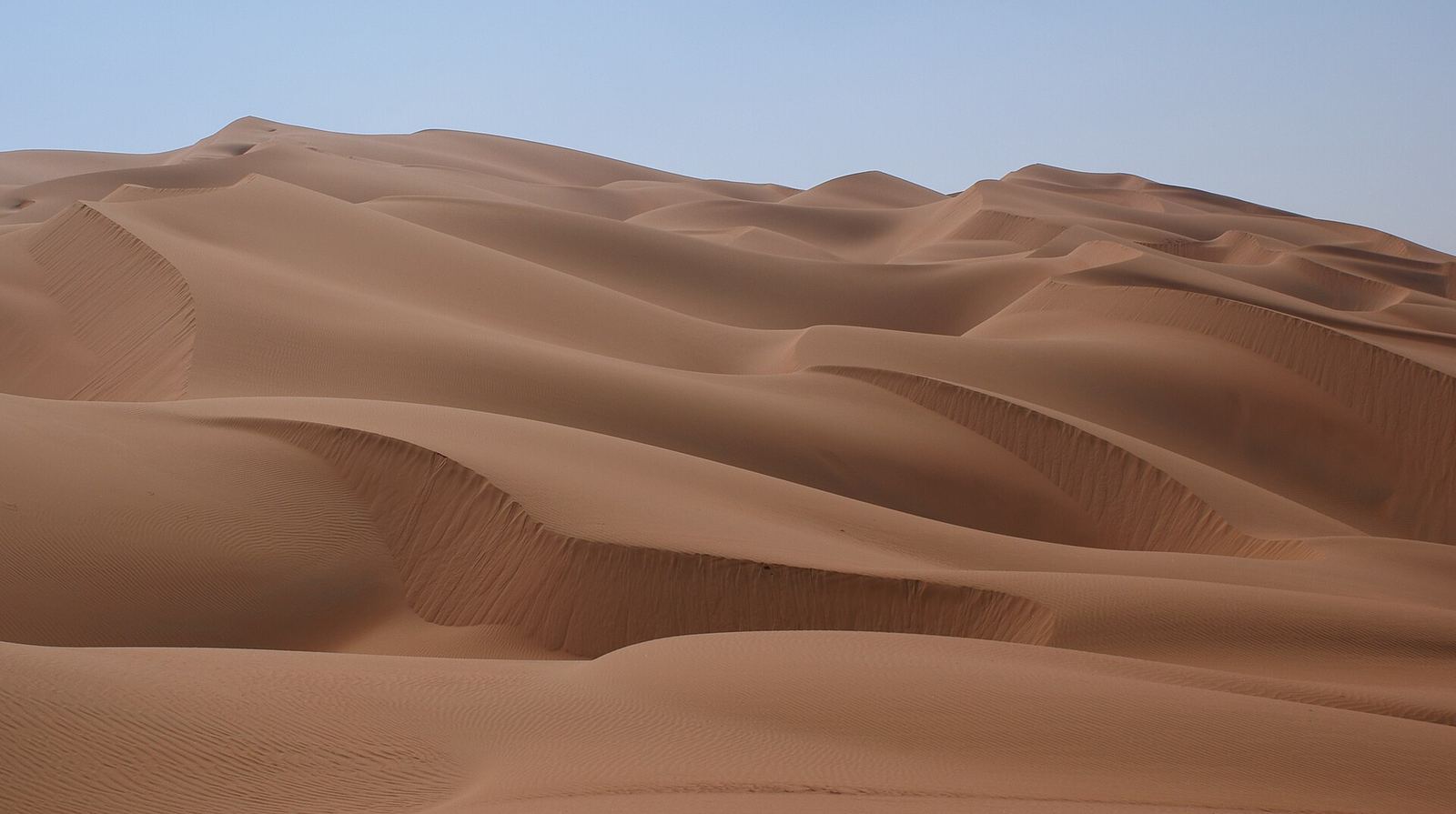
- Desert, heritage sites and hiking: November to February.
- Diving and snorkelling in the Red Sea: good all year; the water is calmest and warmest from spring to autumn.
- Festivals and events: October to March.
- Mountains and green landscapes: Asir and Taif from June to September.
- Lower prices: summer, outside Eid holidays.
Whenever you go, check current travel advice and pack for sun and modest dress: see travel essentials.
Frequently asked questions
What is the best month to visit Saudi Arabia?
November to February is ideal for most of the country, with warm days and cool nights. December and January are best for desert sites like AlUla.
How hot is Saudi Arabia in summer?
Very hot. Riyadh regularly reaches 43 to 45 °C or more in July and August, and the coasts are humid. The Asir mountains are much cooler.
When is Ramadan in 2027?
Ramadan is expected to start around 8 February 2027 and end around 8 March, with Eid al-Fitr on about 9 or 10 March, depending on the moon sighting.
Is it worth visiting Saudi Arabia in summer?
It can be, for the Red Sea, malls and museums, and the cool mountain towns of Abha, Al Baha and Taif. Prices are lower, but outdoor sightseeing is hard inland.
Some links on this page are affiliate links. If you book through them we may earn a small commission at no extra cost to you. Learn more.