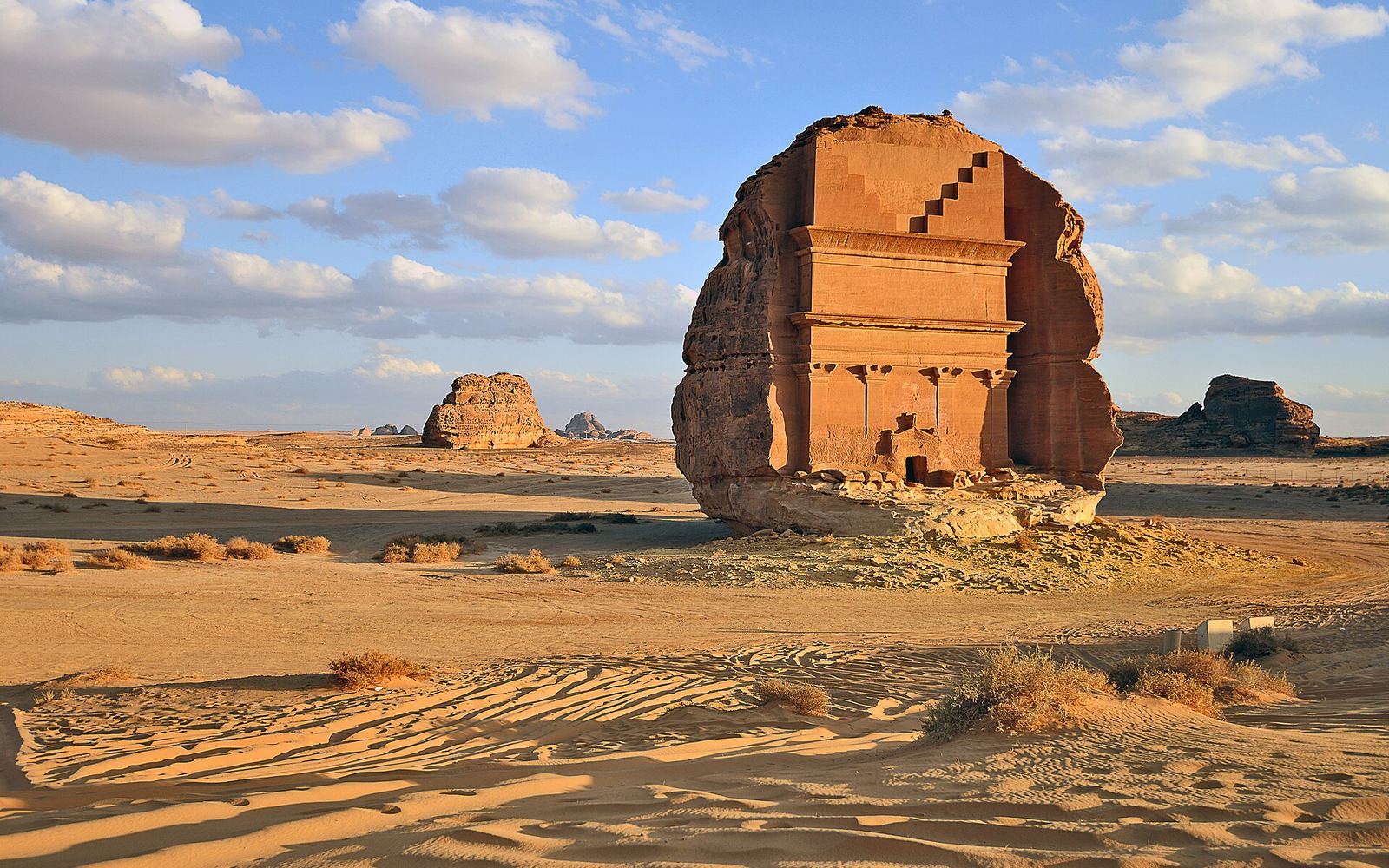
Saudi Arabia only opened to leisure tourists in 2019, so many first-time visitors arrive with questions. Below are the short answers; each topic links to a full guide.
Entry and safety
Visa: citizens of around 68 countries can get a one-year, multiple-entry tourist eVisa online or on arrival, for around SAR 535 including basic medical insurance. Flying Saudia or flynas via Saudi Arabia? The free 96-hour Stopover visa may suit you. Full details in our visa guide.
Holy cities: non-Muslims may not enter Makkah, and parts of central Madinah are reserved for Muslims.
Safety: everyday crime is low, but regional security has deteriorated in 2026; follow official advice and read Is Saudi Arabia safe?
Culture and rules
Dress: modest clothing for everyone; no abaya required for foreign women. Alcohol is illegal. Ramadan means no eating or drinking in public in daylight. Unmarried couples can share a hotel room. See travel essentials.
Money and phones
The riyal is pegged to the dollar, cards work almost everywhere and tipping is optional. For data, buy an eSIM before you fly or a local visitor SIM on arrival.
Weather and getting around
Go between November and March for the best weather; see best time to visit. Use the Riyadh Metro, the Haramain railway, SAR trains and domestic flights for longer journeys, and hire a car for AlUla and the mountains. Everything is explained in getting around.
Frequently asked questions
Do I need a visa to visit Saudi Arabia?
Most visitors do. Citizens of around 68 countries, including the UK, EU, USA, Canada and Australia, can get a tourist eVisa online on visa.visitsaudi.com or on arrival. GCC citizens need no visa.
How much does the Saudi tourist visa cost?
Around SAR 535 (about US$140) online, including compulsory medical insurance and VAT, or around SAR 480 on arrival. Fees can change.
Is it safe to travel to Saudi Arabia right now?
Crime against tourists is low, but in October 2026 the regional conflict led to attacks on airports and several governments advise against all but essential travel. Check your government's latest advice before booking.
Can non-Muslims visit Makkah and Madinah?
Non-Muslims may not enter Makkah. They can visit Madinah, but parts of the central area around the Prophet's Mosque are reserved for Muslims.
What should I wear in Saudi Arabia?
Modest clothing that covers shoulders and knees. Foreign women do not have to wear an abaya or headscarf, except a headscarf in mosques.
Can I drink alcohol in Saudi Arabia?
No. Alcohol is illegal for visitors and cannot be brought into the country.
What currency is used in Saudi Arabia?
The Saudi riyal (SAR), pegged at about 3.75 to the US dollar. Cards and phone payments are accepted almost everywhere.
When is the best time to visit Saudi Arabia?
November to March, when days are warm and nights cool. Summer is extremely hot inland, though the Asir mountains stay pleasant.
When is Ramadan in 2027?
It is expected to run from around 8 February to 8 March 2027, with Eid al-Fitr on about 9 or 10 March, depending on the moon sighting.
Can tourists drive in Saudi Arabia?
Yes, on a valid foreign or international licence for up to one year from entry. Carry an International Driving Permit too, and watch for Saher speed cameras.
Is there a train between Riyadh and Jeddah?
Not yet. Fly in about 1 hour 45 minutes or drive about 950 km. The Haramain railway links Jeddah, Makkah and Madinah, and SAR trains run from Riyadh to Dammam and the north.
Does my phone work in Saudi Arabia?
Yes. Buy a travel eSIM before you go, or a visitor SIM from STC, Mobily or Zain at the airport with your passport and a fingerprint scan.
Can unmarried couples share a hotel room?
Yes. Since 2019 unmarried foreign couples have been able to share hotel rooms, though public displays of affection should be avoided.
What are the emergency numbers in Saudi Arabia?
911 in the main regions, 997 for an ambulance, 998 for civil defence and 993 for traffic police.
Some links on this page are affiliate links. If you book through them we may earn a small commission at no extra cost to you. Learn more.