- DistanceRiyadh–Muscat about 2 hours' flying; 725-km Empty Quarter highway to Ibri
- Getting thereFlights to Muscat and Salalah; Rub' al Khali land border
- CurrencyOmani rial (OMR)
- EntryVisa-free stays for many nationalities; eVisa via Royal Oman Police
Oman is the Gulf's great outdoor destination: dramatic mountains, palm-filled wadis with turquoise pools, endless dunes and a long coastline of fishing towns and turtle beaches. Its capital, Muscat, is low-rise, elegant and easy to love. For travellers in Saudi Arabia it has become far more accessible since a direct highway across the Empty Quarter opened in December 2021.
How to get there from Saudi Arabia
By air, Oman Air, SalamAir, Saudia, flynas and flyadeal link Muscat with Riyadh, Jeddah and Dammam, with flights of around two hours from Riyadh. There are also flights to Salalah in the south, especially busy during the summer monsoon season. Compare options on Trip.com.
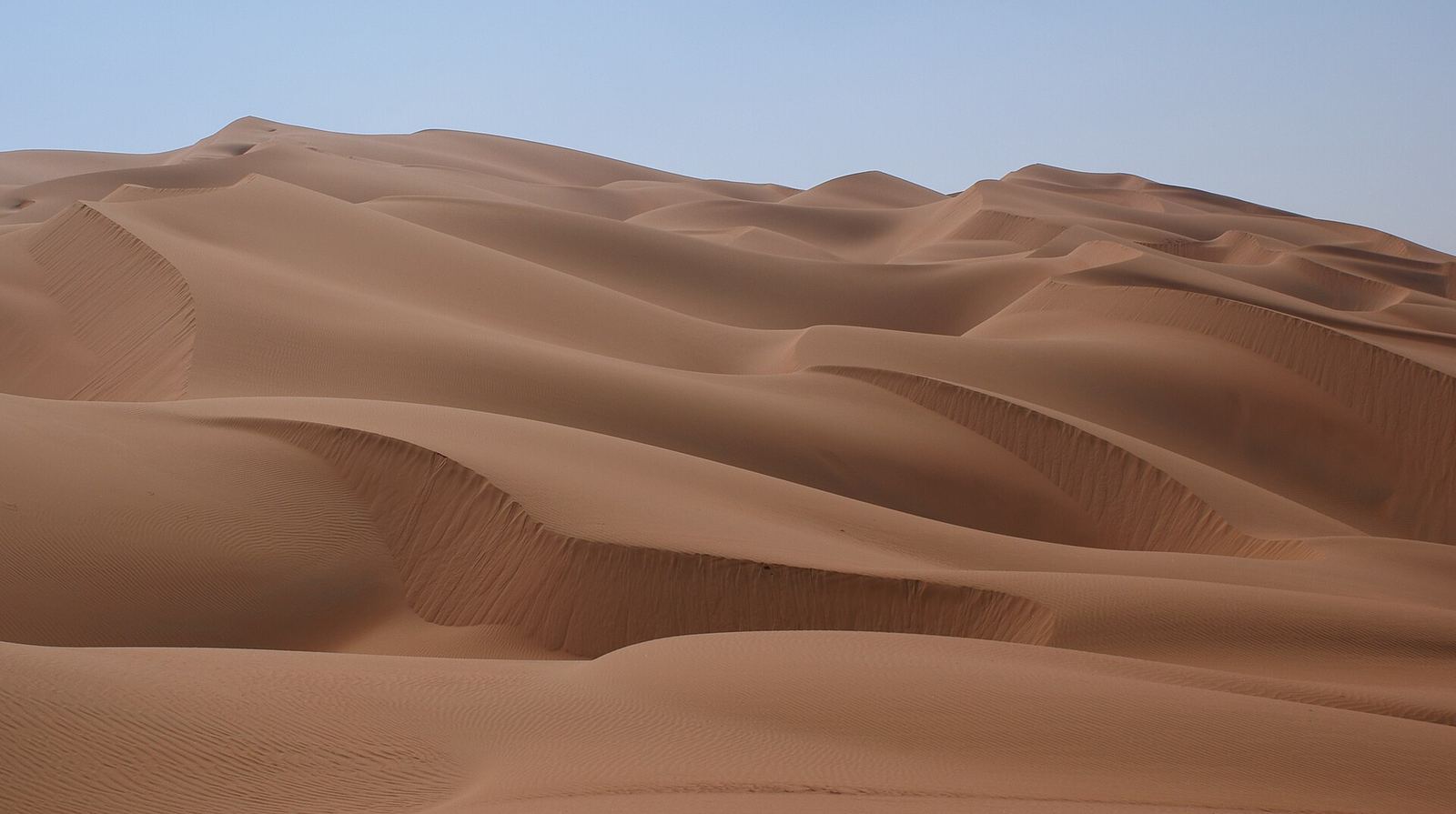
By road, the Empty Quarter highway is one of the world's great desert drives: about 725 km in total from the Haradh area of Saudi Arabia to Ibri in Oman, of which around 564 km runs through the dunes of the Rub' al Khali on the Saudi side. The Saudi border post is at Ramlat Khailah and the crossing is known as the Rub' al Khali (Empty Quarter) border. Services along the route are very limited, so set off with a full tank, plenty of water and a well-maintained vehicle, and avoid driving at night. You will need Omani motor insurance, available at the border, and rental cars need the hire company's permission. The older alternative route runs through the UAE.
Entry rules for visitors coming from Saudi
- GCC citizens do not need a visa.
- Nationals of more than 100 countries, including the UK, EU, US, Canada and Australia, can stay visa-free for up to 14 days, typically with a return ticket, a hotel booking and health insurance.
- In August 2026 Oman also announced a free 14-day tourist visa for designated nationalities; details are on the Royal Oman Police eVisa portal (evisa.rop.gov.om), where longer tourist visas are also issued.
- Residents of Saudi Arabia with other passports may qualify for a GCC-resident visa; check the ROP portal.
A unified GCC tourist visa has been announced and is expected, but as of October 2026 it has not launched. Confirm that your Saudi visa allows re-entry before you leave.
Highlights
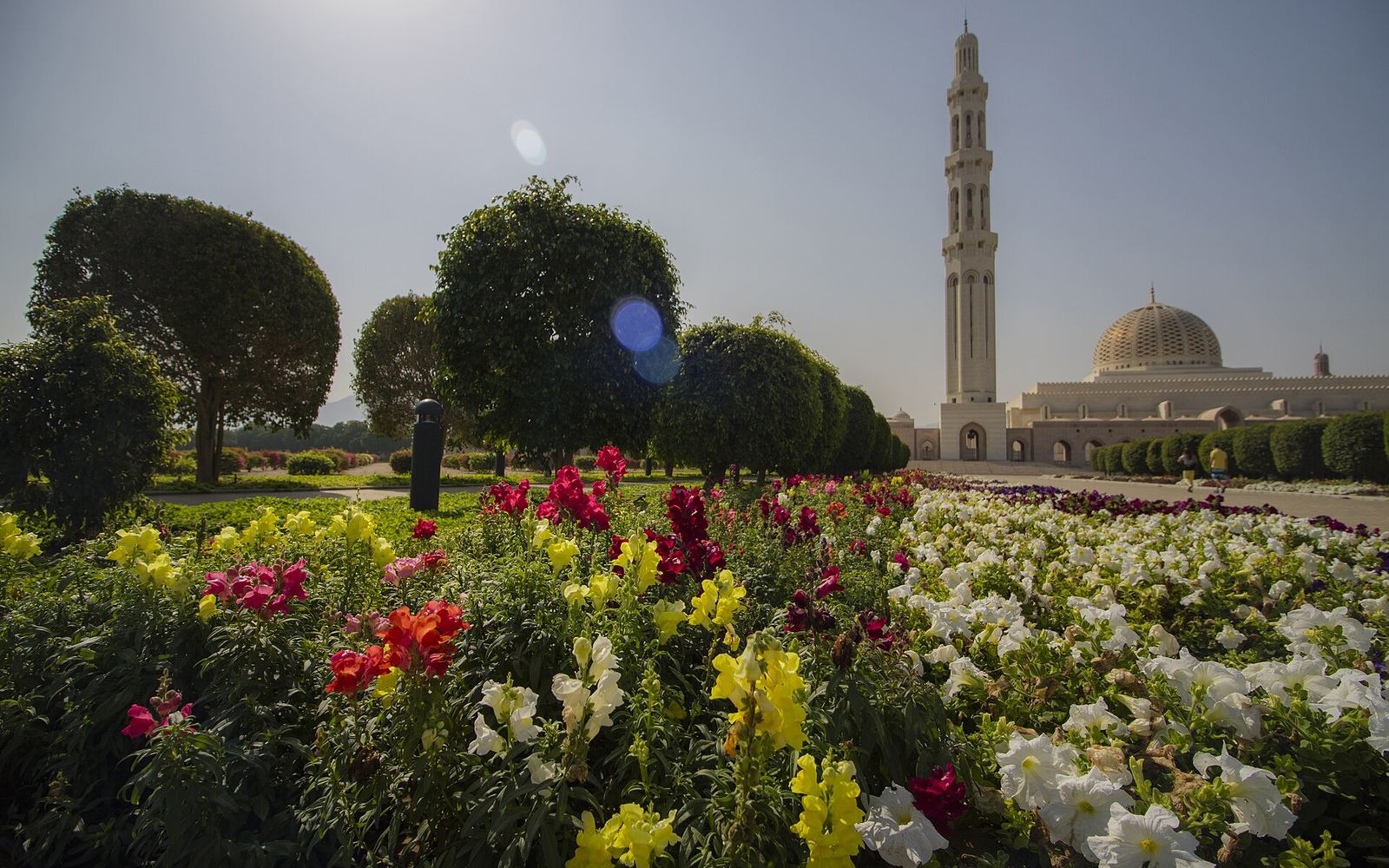
- Muscat: the Sultan Qaboos Grand Mosque, Mutrah Souq and corniche, and the Royal Opera House.
- Nizwa: the great round fort and Friday livestock market, with the mountains of Jebel Akhdar and Jebel Shams close by.
- Wadis: swimming in Wadi Shab and Wadi Bani Khalid.
- Wahiba Sands for desert camps, and Ras al Jinz for nesting turtles.
- Salalah in Dhofar, green and misty during the khareef monsoon from about June to September.
- Bat, Al-Khutm and Al-Ayn, UNESCO-listed Bronze Age tombs near Ibri, at the Omani end of the Empty Quarter road.
Tours make the wadis and mountains easy without a 4x4: see Oman tours. For hotels, compare Muscat hotels.
How it pairs with a Saudi trip
Fly from Riyadh to Muscat for a week of mountains and wadis, or tackle the Empty Quarter road as the adventure of a lifetime. Oman also links naturally with the UAE by road; see our GCC grand tour.
Tours: Oman from Saudi Arabia
Compare guided trips, transfers and tickets.
Frequently asked questions
Can you drive from Saudi Arabia to Oman?
Yes. A 725-km highway across the Empty Quarter opened in December 2021, linking the Haradh area of Saudi Arabia with Ibri in Oman. Services are sparse, so prepare carefully.
Do I need a visa for Oman?
GCC citizens do not, and over 100 nationalities can stay up to 14 days visa-free. Others can apply on the Royal Oman Police eVisa portal.
When is the best time to visit Oman?
October to April for Muscat, the mountains and the desert. Salalah is best during the khareef, roughly June to September.
Some links on this page are affiliate links. If you book through them we may earn a small commission at no extra cost to you. Learn more.